Mental Health
-
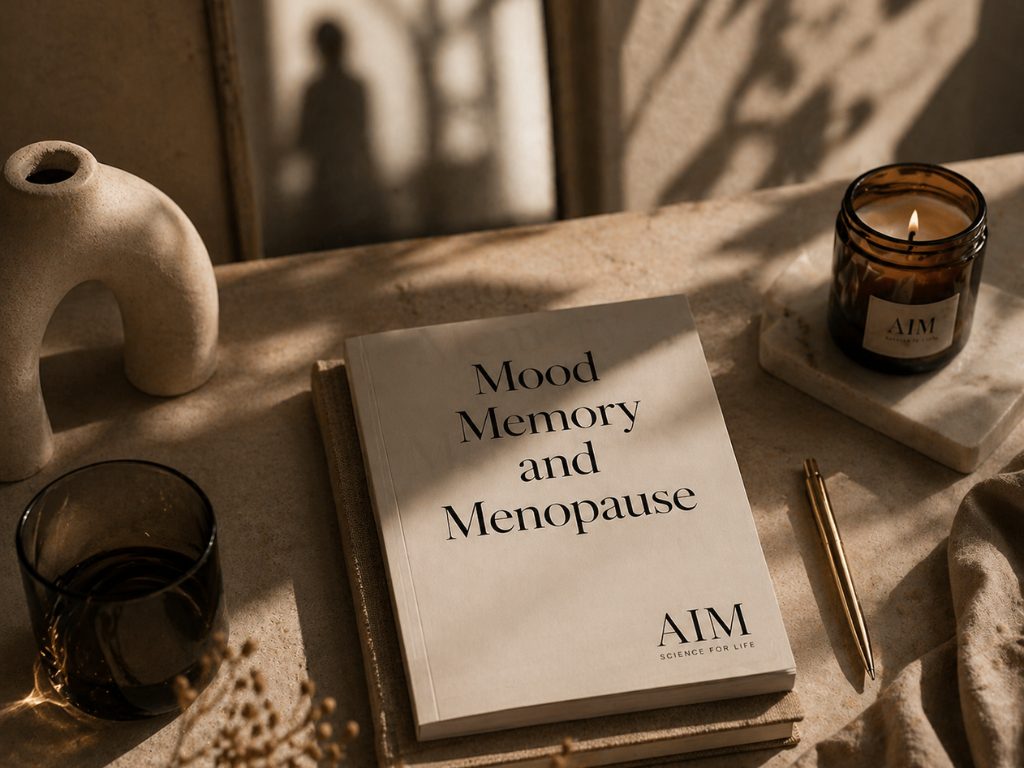
Menopause, Mood, and Memory: Why You Feel Anxious, Foggy, and Forgetful
The Brain You Thought You Knew Is Changing, Not Failing When your mind stops behaving the way it always has, it is easy to dismiss. Nearly 60% of women report noticeable changes in memory, mood, or concentration during perimenopause, yet most are never told their brain is undergoing a biological transition at all. You walk…
-

Strong Enough to Feel: Why Strength Training Regulates Your Hormones and Your Emotions
Navigating midlife feels like being on a hormonal rollercoaster—sometimes soaring, sometimes plummeting, and always unpredictable. But wait, strength training is here! Think of it as your soothing yoga instructor after a day with a toddler on a sugar high. Lift weights not for abs, but to stabilize your hormones.
-
When the Body Opens & the Emotions Follow: A Midlife Essay on Feeling More Than You Planned
As we embark on self-care, from stretching to hydration, we often uncover unexpected emotional truths. The body, gradually freed from long-held tension, awakens a heightened sensitivity. This process reveals not fragility but a newfound responsiveness, allowing feelings to flood in—unexpectedly present and raw. The journey through midlife challenges our ability to buffer sensations, replacing it…
-
Yoga and Midlife: Is It the Cost-Effective “Cure” to Menopause?
In midlife, women experience significant hormonal changes and cultural shifts, leaving them feeling overwhelmed and seeking stability. Yoga emerges as a practical tool for coping, helping to recalibrate the nervous system and offering solace amidst chaos. This gentle practice invites women to reclaim balance and prioritize self-care during this transformative phase.
-
Menopause & Trauma: Why Old Stress Patterns Resurface in Midlife
Midlife can feel like a haunting repeat of unresolved trauma, as hormonal fluctuations amplify past stress responses. Far from regression, it’s a physiological recalibration revealing deeper truths. Amidst this chaos, women can reclaim power by understanding their biology, prioritizing self-care, and embracing an opportunity for profound transformation.
-
High-Functioning Women & Midlife Stress: What Are Hidden Costs?
Midlife can challenge high-functioning women as their nervous systems, once adapted to demand, now seek safety and regulation over performance. This shift reveals the unsustainable nature of prior coping strategies. It’s a time for reevaluating identity and understanding that true success lies in coherence and emotional honesty, rather than survival.