health
-

Midlife Strength Training: Transform Your Identity
Strength training in midlife is not solely about physical fitness; it’s a transformative journey towards redefining identity. As women confront changing bodies, they embrace a new relationship built on precision and recovery rather than punishment. This process enhances strength, hormonal balance, and confidence, ultimately inviting a more empowered and grounded self.
-
Muscle Loss in Menopause Is Not a Personal Failure
It’s a Physiological Shift That Requires a Different Strategy Many women first notice muscle loss in subtle ways. Tasks that once felt effortless require more energy. Strength seems harder to maintain. Body composition shifts despite unchanged habits. These changes are often interpreted as aging, laziness, or lack of discipline. That interpretation is inaccurate. Muscle loss…
-
Bone Health in Menopause
Bone loss in midlife accelerates due to hormonal changes during perimenopause and menopause, affecting bone density without obvious symptoms. Women may lose significant bone mass, increasing fracture risk and impacting quality of life. Strategies like strength training, weight-bearing activities, proper nutrition, and medical support can help maintain bone health and autonomy.
-
Understanding Frozen Shoulder in Menopause: Causes and Solutions
Frozen shoulder, or adhesive capsulitis, commonly affects women during perimenopause and menopause due to hormonal changes, particularly declining estrogen. This condition causes persistent pain, stiffness, and limited mobility without a clear cause. Recovery involves gentle movement, physical therapy, and nutrition to reduce inflammation. Understanding and patience are crucial.
-
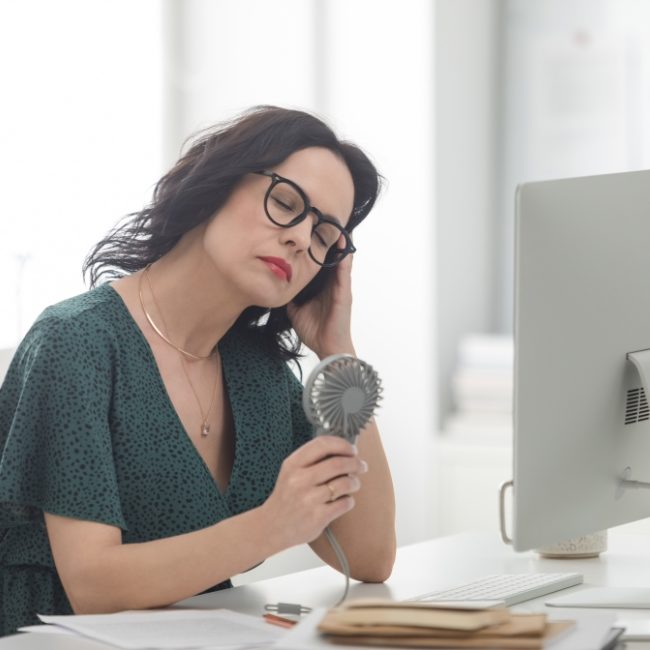
Coping with Hot Flashes: Strategies for Relief
Hot flashes are common yet often misunderstood symptoms of perimenopause and menopause, caused by hormonal changes affecting the brain’s temperature regulation. Stress and environmental factors can exacerbate them. Instead of fighting these signals, women are encouraged to adjust their lifestyle and seek supportive care to alleviate discomfort during this transitional phase.
-
Understanding Hot Flashes: What to Expect
Hot flashes, common during perimenopause and menopause, result from hormonal changes affecting the brain’s temperature regulation, often exacerbated by stress and certain triggers. They signal a need for adjustment in lifestyle and environment. Effective management includes regulating surroundings, supporting the nervous system, appropriate exercise, nutrition, and medical guidance when necessary.